A loyalty card with two starter stamps can feel closer to completion than an empty card, even when both require the same number of purchases.
The head start changes the frame, not the work left.
Money & Margin / Card lesson
A small artificial lead can make bad systems feel more committed than they deserve.
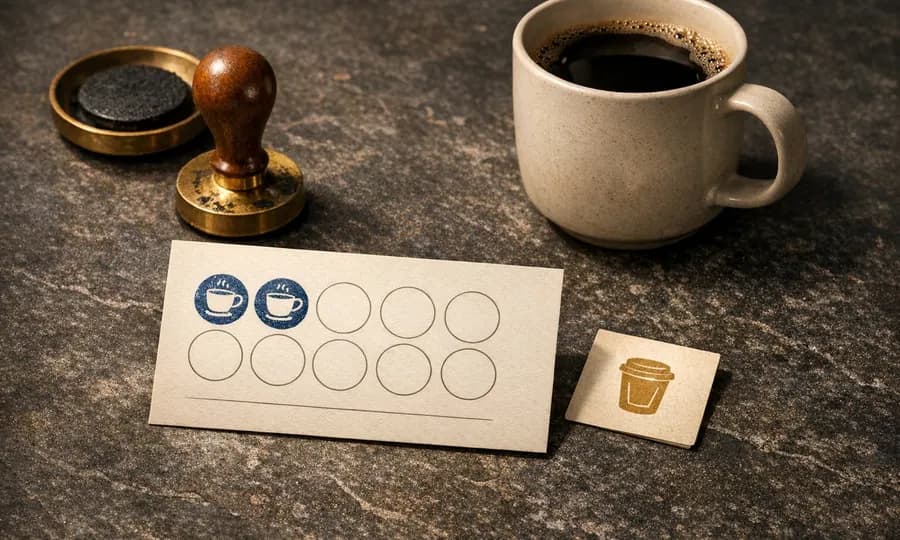
A loyalty card with two starter stamps can feel closer to completion than an empty card, even when both require the same number of purchases.
The head start changes the frame, not the work left.
Nunes and Drèze called this the endowed progress effect. In their 2006 loyalty-card field experiment, artificial progress increased completion even though the required purchases stayed the same.
A partly filled meter can make a goal feel underway before you have chosen it.
In the coffee-shop study, 34% of customers with endowed progress completed the card, compared with 19% in the control group.
Quick check
Try this
When a loyalty card or progress meter starts partly full, ignore the gifted head start and count only what is still required. Then ask: 'Would I still want this if it started at zero?' If not, skip it.
Key idea
Fake progress still pushes real spending. Reset the meter to zero in your head and decide from there.