You stayed with a bad movie, subscription, or plan because you had 'already paid for it.'
The cost was already gone. The only live choice was whether to keep paying with more time, money, or attention.
Money & Margin / Card lesson
Past cost makes bad decisions feel recoverable long after they stop making sense.
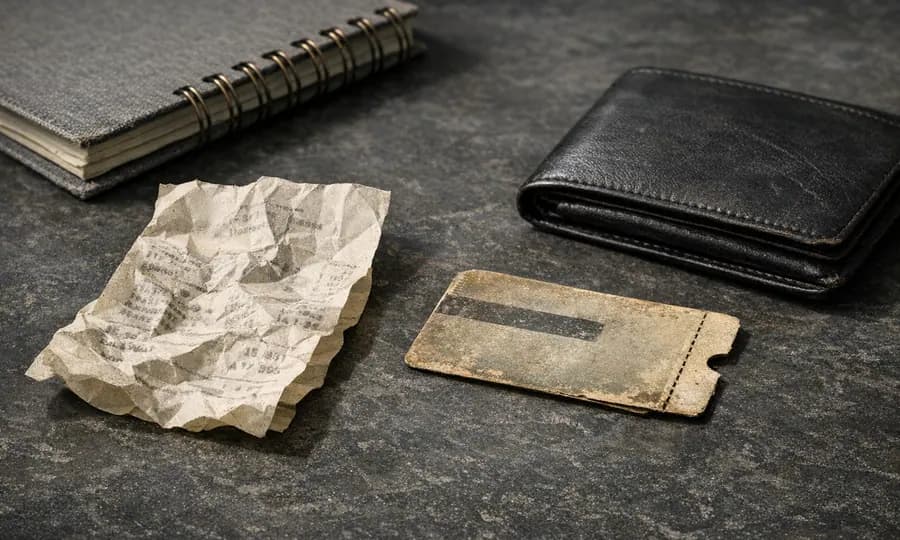
You stayed with a bad movie, subscription, or plan because you had 'already paid for it.'
The cost was already gone. The only live choice was whether to keep paying with more time, money, or attention.
The brain hates admitting loss.
That is why people keep paying into bad choices long after the first cost is already gone. Continuing feels easier than facing the fact that the earlier spend did not work.
The cost is 'sunk' because it cannot be recovered. Every hour spent finishing a bad bet is a fresh choice — not an obligation.
This is why people keep dead memberships, keep reading books they hate, or keep funding plans that stopped making sense weeks ago.
The past spend starts acting like a reason to keep going, even when the future case is weak.
Quick check
Try this
Look at one stalled project, bad read, or draining commitment. Ask: 'If I were handed this exactly as it is today, with no memory of what I already spent, would I choose it?' If no, that is your answer.
Key idea
Past spend is not a reason to keep paying. Make the next choice from here, not from the old receipt.