You held your nerve through one cold shower and felt weirdly steadier all morning. That works because the challenge was voluntary, short, and followed by recovery.
The goal is not to suffer more. The goal is to recover better.
Stress / Card lesson
Resilience grows from manageable challenge followed by recovery, not from living overloaded.
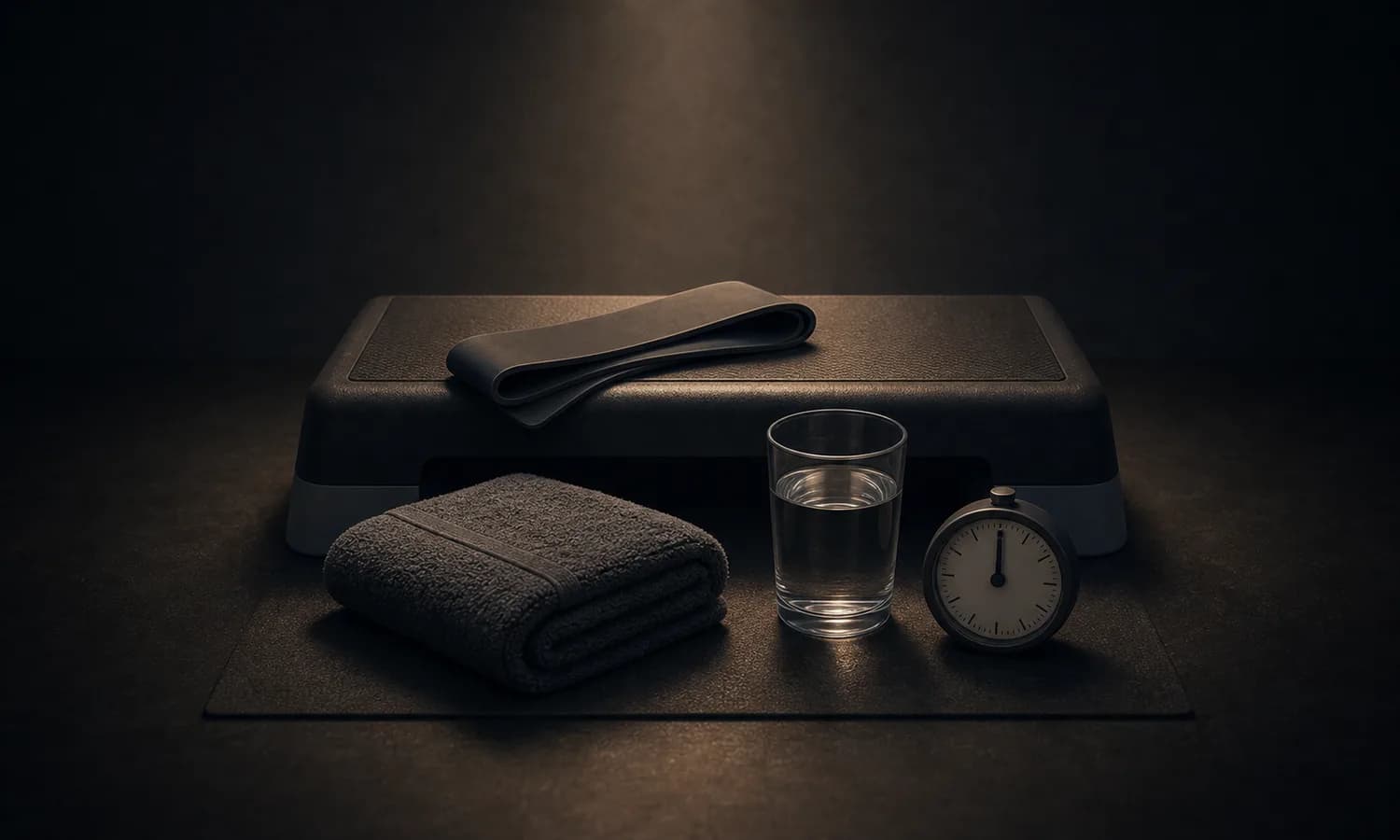
You held your nerve through one cold shower and felt weirdly steadier all morning. That works because the challenge was voluntary, short, and followed by recovery.
The goal is not to suffer more. The goal is to recover better.
Too little challenge changes nothing. Too much challenge overloads you. Mark Mattson calls this hormesis: a mild dose of stress that nudges the body to adapt and come back a little sturdier.
The useful middle is a small stress dose your body can handle and recover from.
A stressor without recovery is not resilience training.
After the stress, give the body proof that the threat is over: slower breathing, warmth, food, water, stillness, or a walk.
Try this
Pick one: 30 seconds of cool water at the end of a shower, a short stair climb, or a brief interval walk.
Stop if it creates panic or makes you feel worse. Scale down before scaling up.
Try this
Pick one manageable action: ask a question, send the honest email, or say one clear boundary.
The goal is practice, not drama.
Try this
After the practice, do one recovery move for 2 to 5 minutes: slow exhale breathing, walking, stretching, or writing down what you learned.
This teaches your system that stress can end.