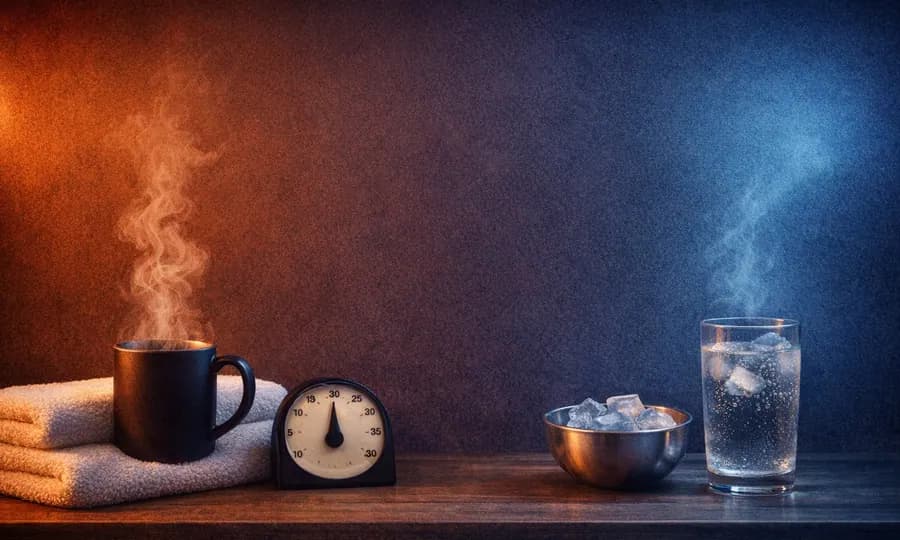
People love saying discomfort is growth. Sometimes it is. Sometimes it is just more fatigue wearing a motivational quote.
Not every hard thing is helpful
The dose decides whether the stress helps or hurts
Exercise, heat, cold, fasting, and novelty can all be useful at one dose and dumb at another. The middle zone is where the benefit usually lives.
Recovery is part of the dose
A challenge you can absorb is different from a challenge that steals sleep, mood, or training quality for the next two days.
The same protocol can help one person and bury another because the recovery context is different.
Quick check
Quick check
Try this
Pick one modest stressor at a time
A brisk walk, a short sauna, a cold finish to a shower, or a mild fasting window is enough. Stack fewer things so you can actually tell what your system can absorb.
Educational content only — not medical advice.
Try this
Use the next-day check
If sleep tanks, mood gets flatter, or soreness and irritability keep climbing, the dose was probably too big or too frequent. Backing off is part of the skill.
Key idea
What to remember
Hormesis is not a religion. It is dose plus recovery. Good stress builds capacity because you can absorb it and come back stronger.