Nutrition

Gain Weight Without Guessing

Gain weight with more structure, more protein, and less junk panic.

Card lesson8 sections
Published by RebuiltLast updated: Sources visible below

Healthy weight gain usually fails because the plan is too small or too chaotic

A lot of people trying to gain weight either add almost nothing and wonder why nothing changes, or they go full junk-food free-for-all and feel awful.

The middle path works better: a small surplus, steady protein, and training that gives the extra food somewhere useful to go.

A small consistent surplus beats random overeating

For most adults, adding roughly 200 to 300 calories per day is a better starting point than force-feeding huge amounts.

It is easier to repeat, easier to adjust, and less likely to turn the whole process into stomach pain plus regret.

Protein and lifting keep more of the gain useful

Weight gain without resistance training usually adds more fat and less muscle.

A simpler structure is three or four real meals, around {{mass_g:25|40}} of protein in the meals that can carry it, and two to four weekly lifting sessions that actually challenge you.

Quick check

Quick check

What is the smartest first move if you want to gain weight well?

  1. Eat everything in sight and hope the scale sorts it out.
  2. Create a small surplus, keep protein steady, and lift consistently.
  3. Skip strength work because calories are all that matter.

Exactly. The quality of the setup matters, not just the total food.

Try this

Add one anchor meal and one easy extra

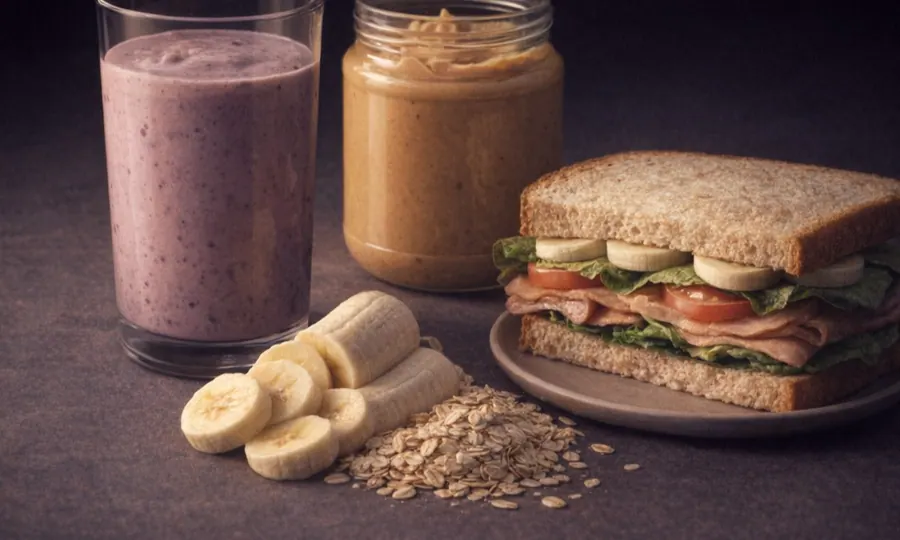
Start with one larger meal you can repeat and one easy add-on: milk or yogurt, a shake, nut butter on toast, extra rice or olive oil with dinner. One reliable add-on works better than promising yourself a whole new appetite.

Try this

Weigh once or twice a week, not six times a day

Look for a slow trend over two to three weeks. If body weight is flat, add another 100 to 150 calories to the plan. If digestion is miserable, slow down instead of pretending discomfort is discipline.

Try this

Do not let activity erase the surplus by accident

Long walks, sport, or a suddenly busier schedule can quietly burn the extra food. If appetite is low, liquid calories like milk, smoothies, or yogurt drinks can help without feeling like a second dinner.

Key idea

What to remember

Good weight gain is structure, not chaos: small surplus, real protein, some lifting, and enough patience to adjust the plan slowly instead of turning the whole thing into a dirty-bulk meme.

Sources

  1. Thomas DT et al. (2016, Academy of Nutrition and Dietetics / ACSM / Dietitians of Canada) — Nutrition and athletic performance
  2. American College of Sports Medicine — Resistance training and body-composition guidance
  3. Helms ER et al. (2014) — Practical recommendations for weight and muscle gain

Further reading

  • Academy of Nutrition and Dietetics / ACSM — Nutrition and athletic performance
  • ACSM strength-training guidance