Travel

Travel Safety Without Fear

Travel safety works better as calm preparation than all-day paranoia.

Card lesson8 sections
Published by RebuiltLast updated: Sources visible below

Most travel danger is more ordinary than your imagination suggests

You researched whether the city was 'safe', read three scary forum threads, then nearly got clipped crossing a road because traffic came from the side you do not check at home.

The cinematic dangers grab attention. The common trip-wreckers are road traffic, unsafe swimming, food or water mistakes, theft, and missing documents.

Vivid risks feel bigger than likely risks

The brain overweights the danger it can picture clearly, which is why dramatic stories dominate planning.

The World Health Organization ranks road traffic injury among the leading causes of death for travelers and young adults worldwide. The risk that actually costs people is rarely the one in the headlines.

Good safety is mostly boring habits

The most reliable safety moves are small: use seatbelts, go easy on scooters, keep valuables split, stay reachable, know the first address, and do not make fatigue plus alcohol plus unfamiliar streets do all the decision-making together.

Quick check

Quick check

What does good travel safety usually look like?

  1. Constant fear and never leaving the room.
  2. A few calm habits that lower ordinary risk.
  3. Assuming locals are dangerous and tourists are not.

Exactly. Calm preparation beats panic.

Try this

Protect against the common losses first

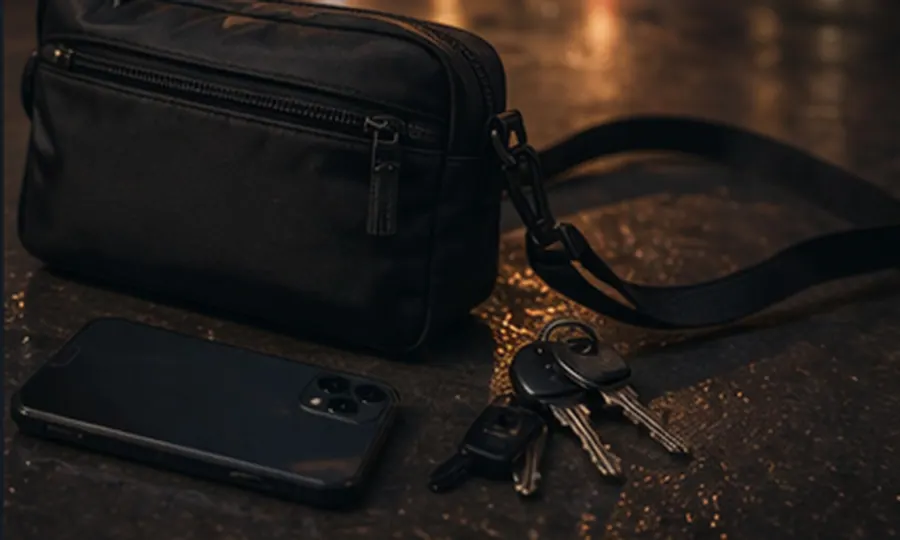
Split cards and cash, keep one copy of key documents offline, and use a bag setup you can notice if someone opens or snatches it. Start with theft and transport because they are common, not because they are dramatic.

Try this

Make night decisions before night arrives

If you will land late or go out late, decide the route home, transport option, and meeting point early. Most bad calls happen when people are tired, hungry, drunk, lost, or all four.

Try this

Keep one person looped in

Share your rough itinerary or next stop with one trusted person. This is not paranoia. It is basic redundancy.

Key idea

What to remember

Travel safety is ordinary risk management: transport, theft, fatigue, water, documents, and late-night decision quality. Calm systems beat cinematic fear.

Sources

  1. CDC Yellow Book (2026) — Injury prevention and traveler safety guidance
  2. World Health Organization — Road traffic injury facts and prevention
  3. U.S. Department of State (2026) — Traveler safety basics

Further reading

  • CDC Yellow Book — Injury prevention and traveler safety
  • WHO — Road traffic injury prevention