Minimalism becomes useful when fewer objects means fewer resets, fewer searches, less laundry, and less maintenance.
It becomes silly when the point is looking purified or superior.
Space & Systems / Card lesson
Reduce clutter for less upkeep and fewer daily decisions, without turning minimalism into an identity performance.
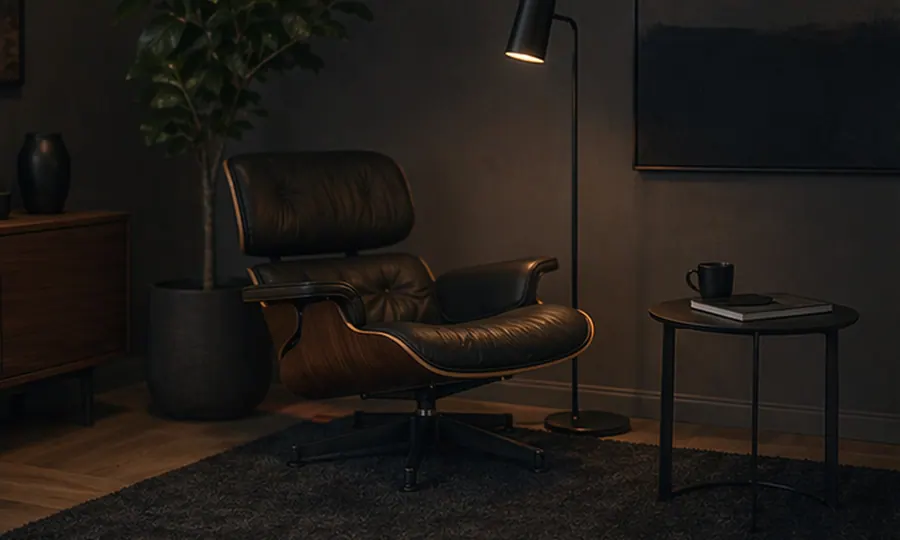
Minimalism becomes useful when fewer objects means fewer resets, fewer searches, less laundry, and less maintenance.
It becomes silly when the point is looking purified or superior.
Stuff takes up space, cleaning time, storage decisions, visual attention, and replacement decisions when it breaks.
That is why clutter is not just a taste issue. It is a recurring workload.
Some people need more tools, hobby gear, or sentimental objects than others.
The useful question is not how little can I own? It is what keeps paying rent in daily life?
Quick check
Try this
Pick one hotspot and ask of each object: do I use it, does it make the room easier to run, or would I actually notice it was gone? If the answer keeps being no, the object is mostly overhead.
Try this
Use one box or bag for things leaving the room. Let it fill over a week or two, then donate, sell, or store elsewhere. Slow exits are more believable than weekend identity overhauls.
Try this
If duplicates in two rooms save real friction, keep them. If one ugly basket prevents daily chaos, use it. The room works for you, not for a mood board.
Key idea
The useful version of minimalism is friction management. Keep what earns its space, let overhead leave gradually, and do not turn room cleanup into self-branding.