Most things keep charging rent after purchase.
They need a place to live, time to clean, attention to maintain, and decisions about when to use, move, repair, or finally get rid of them.
Space & Systems / Card lesson
Everything you own costs space, upkeep, attention, and future decisions.
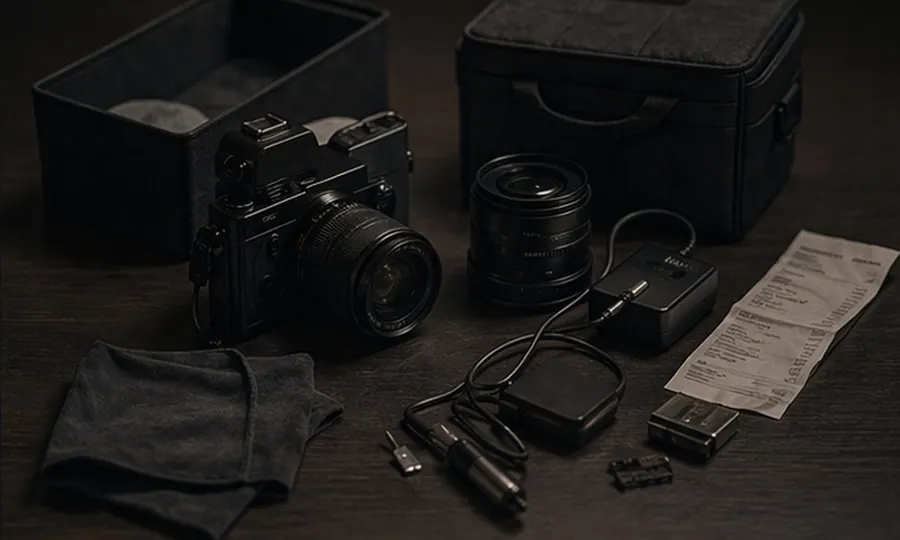
Most things keep charging rent after purchase.
They need a place to live, time to clean, attention to maintain, and decisions about when to use, move, repair, or finally get rid of them.
Studies on home clutter and stress suggest the environment can shape how taxed people feel.
That does not mean one tidy drawer heals your life. It means excess stuff is rarely as neutral as it looks.
Quick check
Try this
Before buying or keeping something, ask: where will it live, how often will I use it, what does it replace, and what maintenance does it create? If those answers are vague, the tax is probably not worth it.
Try this
Pick one category like mugs, cables, chargers, notebooks, or black T-shirts and remove the obvious extras. Duplicates often hide a lot of ownership tax in a small footprint.
Try this
If something is large and barely used, give it a 30-day decision deadline. You are allowed to keep it. You are not required to keep dodging the decision forever.
Try this
That kitchen gadget, craft kit, or wardrobe category for a life you do not really live might be carrying more guilt than value. Keep some aspiration, sure. Just do not let it fill the room.
Try this
Donation bag, sell box, hand-me-down shelf, or a monthly pickup plan. Decluttering stalls when everything leaving the house still needs a full project plan.
Key idea
Objects cost more than money. They also cost room, cleaning, and decisions. A lighter space usually starts with lowering the ownership tax.
The question is not just "do I own this?" It is "what does this keep asking from me?"