At 11 a.m. you may want the better habit.
At 11 p.m. the loop that is one tap away often wins. That is why recovery gets easier when the next hit is slower, farther away, and a little more annoying to reach.
Craving & Reward / Card lesson
The easiest reward usually wins, so friction matters more than one heroic promise.
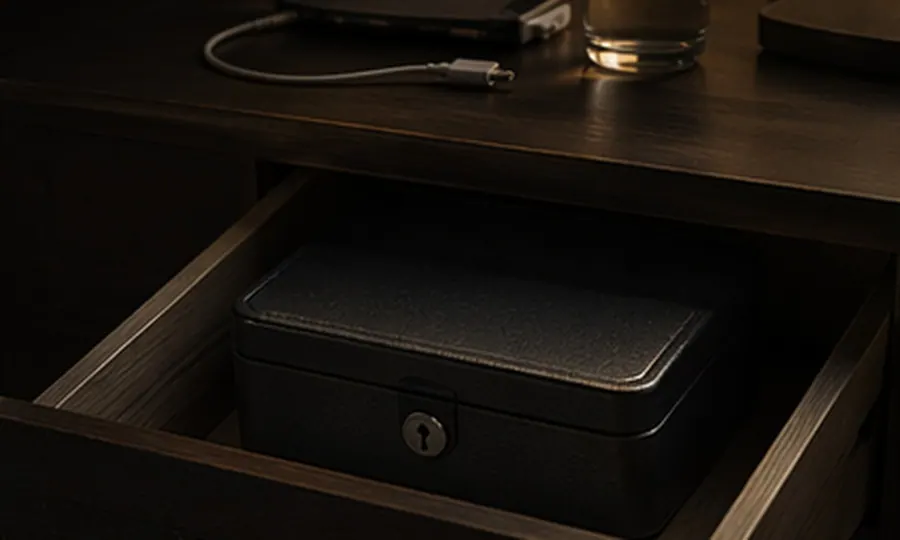
At 11 a.m. you may want the better habit.
At 11 p.m. the loop that is one tap away often wins. That is why recovery gets easier when the next hit is slower, farther away, and a little more annoying to reach.
The brain often follows the path with the least friction.
If the cue is visible, the login is saved, the bottle is in the house, or the app opens in one gesture, the loop gets a head start before reasoning even arrives.
The point of friction is not punishment. It is time. Even a small delay, extra step, or missing password can create enough space for the wiser move to get a vote.
Quick check
Try this
Delete the saved card, log out of the app, move the bottle out of the house, or take the shortcut off the home screen. Start with the one route that makes relapse almost automatic.
Try this
Do not keep the trigger where your eyes and hands already travel. If it lives on the desk, in the bedroom, on the coffee table, or on page one of the phone, it is already inside the routine.
Try this
App blockers, purchase blocks, website filters, or a trusted person holding the password can all help. External blocks are not a sign of weakness. They are what people use when they stop pretending the nightly version of them will negotiate cleanly.
Try this
Put the tea on the counter, shoes by the door, book on the pillow, or the recovery playlist one tap away. Friction works best when the better move is also nearby.
Key idea
Recovery gets easier when the loop has farther to travel. Slow the cue down, remove the fastest route, and make the replacement easier to grab.
If a habit or substance is significantly affecting your life, or if stopping ever feels physically unsafe, seek professional support.