After too much stimulation, normal things can feel strangely weak: reading, food, conversation, chores, even rest.
That does not always mean life got worse. Sometimes it means the contrast level got too high.
Craving & Reward / Card lesson
If ordinary life feels flat after a heavy stimulation stretch, the answer is usually less intensity for a while, not more.
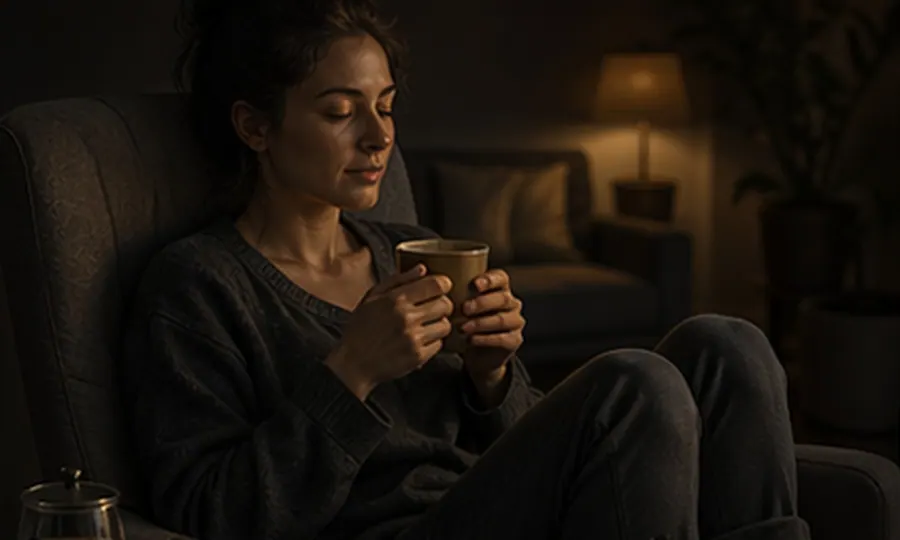
After too much stimulation, normal things can feel strangely weak: reading, food, conversation, chores, even rest.
That does not always mean life got worse. Sometimes it means the contrast level got too high.
The brain learns from what shows up most often.
If the system keeps getting sharp, fast, high-reward input, quieter rewards may temporarily feel less compelling. That does not mean they are gone. It means the range got distorted.
You are not trying to remove everything or remove pleasure from life.
You are lowering the loudest inputs long enough for ordinary rewards to feel audible again. The reset works because it drops the contrast, not because suffering is noble.
Quick check
Try this
Pick the biggest overstimulation source and take 48 hours off it. Not everything, just the main loop. Use the window to watch sleep, restlessness, mood, and how loud the urge gets when the cue stops winning automatically.
Try this
Keep the biggest trigger out of the first hour after waking and the last hour before sleep. The edges of the day are where loops often get reinforced hardest.
Try this
Pick one quiet substitute for the usual urge slot: walk, tea, stretch, shower, call someone, read a few pages, or clean for ten minutes. The replacement does not need to feel thrilling. It needs to keep the slot from staying empty.
Try this
Do dishes without a video, fold laundry without scrolling, or walk without audio. This helps ordinary life become less intolerable again, which is a big part of getting range back.
Key idea
If everything feels dull, do not immediately add more intensity. Lower the loudest input, protect the edges of the day, and let quieter rewards come back into range.
If a habit or substance is significantly affecting your life, or if stopping ever feels physically unsafe, seek professional support.