A drink can look like relaxation, confidence, or social ease in the moment.
The real bill often shows up later in sleep, energy, appetite, mood, training, and attention. This lesson is about seeing that trade clearly.
Craving & Reward / Card lesson
Audit alcohol like any other habit that promises relief and quietly charges it back later.
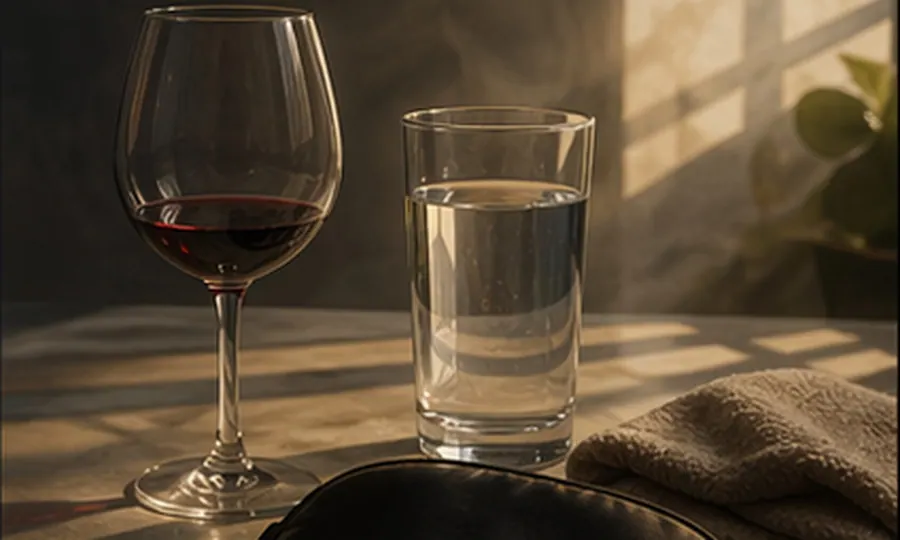
A drink can look like relaxation, confidence, or social ease in the moment.
The real bill often shows up later in sleep, energy, appetite, mood, training, and attention. This lesson is about seeing that trade clearly.
Alcohol often acts like sedation on the front end and poorer sleep on the back end.
Nights can get more fragmented, the second half can get lighter, and the next day can feel flatter than the bedtime story promised.
Part of the appeal is how quickly alcohol changes state.
Part of the problem is that it often shifts tomorrow too. If you only score the first two hours and ignore the next morning, the audit stays incomplete.
Quick check
Try this
Try one two-to-four-week stretch without alcohol and watch sleep, mood, training, social ease, and appetite. Use it as an audit, not a perfection test. If heavy or daily drinking makes stopping feel medically risky, get professional help first.
Try this
Pick a lower-stakes event and go alcohol-free on purpose. The goal is not to prove you are fun. It is to collect evidence about what the room actually feels like without the default crutch.
Try this
Use sparkling water, tea, a mocktail, or another evening ritual before trying to solve the whole identity question at once. Often the cue-and-ritual layer is a bigger piece than people admit.
Try this
When you skip alcohol, take one minute the next day to notice sleep, clarity, mood, training, appetite, or anxiety. Recovery gets easier when the evidence becomes harder to ignore.
Key idea
Alcohol makes sense only if you count the whole trade. Audit the night and the next day together, not just the first easy hour.
If you drink heavily or have had withdrawal symptoms, do not stop suddenly on your own: alcohol withdrawal can be dangerous. Seek medical advice before stopping, and use emergency help for severe symptoms.