The first seconds of an urge can feel absolute: do it now, fix this now, scroll now, pour now.
But most urges rise, peak, and change if you do not feed them immediately. That makes them intense, not permanent.
Craving & Reward / Card lesson
Cravings peak, wobble, and pass faster when you stop debating them and start riding the wave.
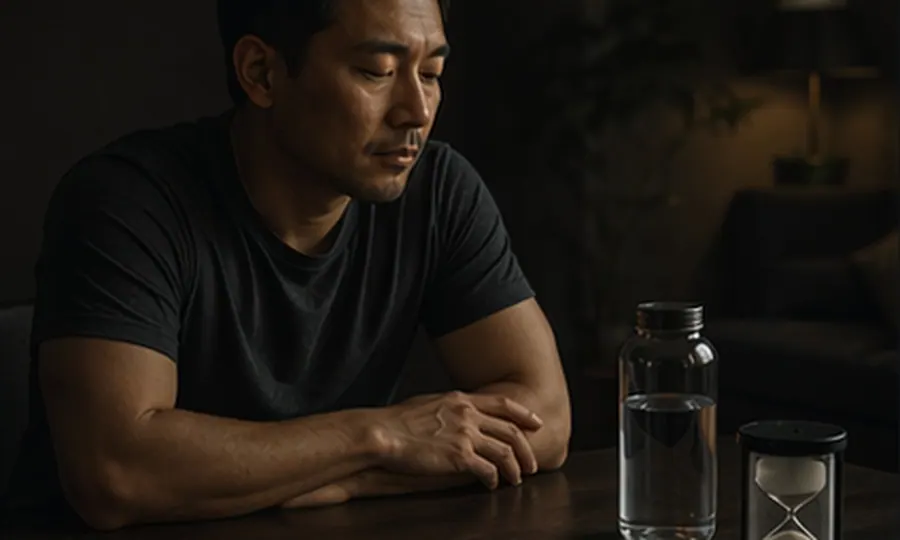
The first seconds of an urge can feel absolute: do it now, fix this now, scroll now, pour now.
But most urges rise, peak, and change if you do not feed them immediately. That makes them intense, not permanent.
Stress, boredom, loneliness, tiredness, a room, a smell, a website, or the walk past the fridge can all wake the loop up.
The point is not to become a detective about every feeling. The point is to notice that the urge is often a learned response to a cue, not proof that you need the thing.
White-knuckling usually means staring at the urge and trying to overpower it.
Surfing means naming it, waiting it out, and giving your body something steady to do while the intensity changes. That shift matters because it teaches your system that an urge can exist without running the whole scene.
Quick check
Try this
When the urge hits, say ten minutes first and start a timer. You are not deciding forever. You are creating one small window where the urge does not get automatic control.
Try this
Use a short label like this is boredom, this is stress, or this is the after-dinner urge. Plain naming works better than dramatic self-judgment because it turns the moment into information instead of identity.
Try this
Walk, shower, stretch, pace, clean, or step outside. The point is not to outrun the urge forever. The point is to stop standing still in front of the cue while your mind bargains with it.
Try this
If the urge is attached to a room, screen, or object, change the scene. Leave the kitchen, close the laptop, get out of bed, or move away from the store. Distance gives the wave fewer things to climb on.
Key idea
A craving is intense, not eternal. Name it, time it, move while it is loud, and stop treating the first spike like a final command.
If a habit or substance is significantly affecting your life, or if stopping ever feels physically unsafe, seek professional support.