Same breakfast, same lunch, same two dinners on rotation. Nothing wrong with any of it, but your gut barely sees variety. Eating well is not only about cutting things out.
One quiet upgrade is adding more types of plants across the week.
Nutrition / Card lesson
Plant variety can feed a more diverse gut microbiome without turning food into a project.
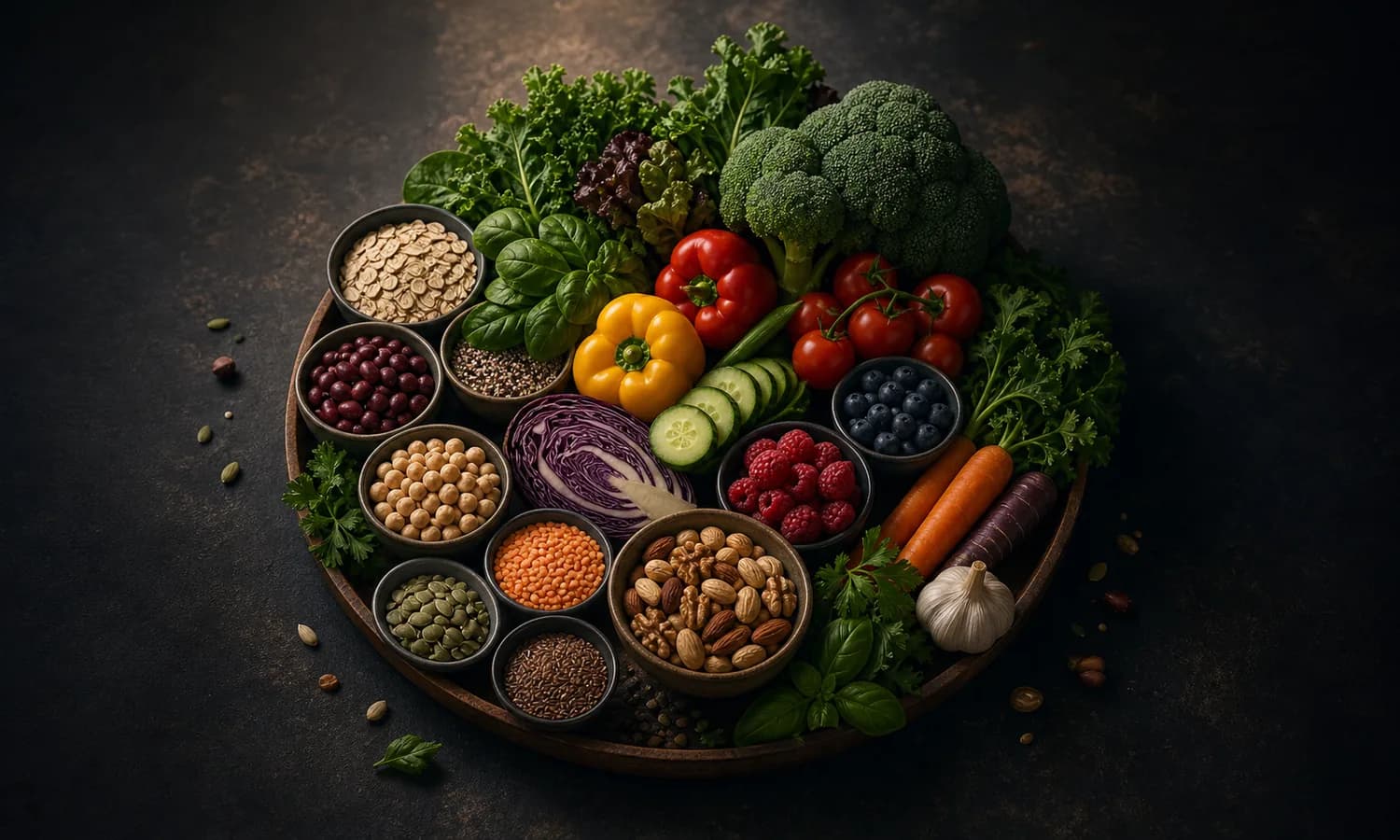
Same breakfast, same lunch, same two dinners on rotation. Nothing wrong with any of it, but your gut barely sees variety. Eating well is not only about cutting things out.
One quiet upgrade is adding more types of plants across the week.
The American Gut Project found that people who ate more than 30 types of plants per week had more diverse gut microbiomes than people eating 10 or fewer.
This is observational, but the pattern is useful.
Variety is the target. Keep it simple.
Plants include fruit, vegetables, legumes, whole grains, nuts, seeds, herbs, and spices.
A lentil, an oat, a walnut, and parsley all count as plant variety.
Quick check
Try this
Do not start at 30 if that feels annoying.
Add five new plant types this week. Use cheap options: oats, beans, frozen veg, apples, seeds, herbs, lentils, rice, potatoes, onions.
Try this
The easy cheat is mixing.
Use mixed frozen vegetables, mixed beans, seed mixes, salad mixes, herbs, spices, and soups. Variety does not need 30 separate recipes.
Key idea
A diverse gut does not require a luxury grocery shop.
Add more plant types slowly. Frozen, canned, dried, herbs, and spices count.
Start with five more plants, then build.